
Top 10 Questions About Exercise Prescription and Metabolism Answered by an Endocrinologist

Author: .María del Pilar Solano, M.D., M.P.H.
Endocrinologist, Diabetes & Metabolic Health Specialist
Author: .María del Pilar Solano, M.D., M.P.H.
Endocrinologist, Diabetes & Metabolic Health Specialist
As an endocrinologist, I see patients every day who are frustrated by generic workout plans that simply don't work for them.
Here are the most common questions I hear about exercise prescription and metabolism... with answers rooted in clinical science.
1. What exactly is an exercise prescription, and why do I need one?
An exercise prescription is a clinical, structured plan designed specifically for your body—much like a prescription for medication . It's not a generic list of exercises pulled from the internet. It's based on established clinical guidelines and includes precise recommendations for frequency, intensity, time, and type of exercise, tailored to your fitness level, health status, and goals .
If you have a metabolic condition like diabetes, obesity, or prediabetes, you need more than generic advice. You need a plan that accounts for your unique physiology, medications, and risk factors
2. How do you determine the right exercise intensity for me?
Intensity is one of the most important—and most misunderstood—elements of an exercise prescription . I determine it using a combination of methods:
Heart rate zones – Based on your maximum heart rate (HRmax), which can be estimated or measured through a stress test
Rating of Perceived Exertion (RPE) – This is my go-to for many patients because it requires no device. RPE correlates well with heart rate, making it a practical, patient-friendly tool.
VO₂ max testing – The gold standard for measuring cardiovascular fitness and setting precise training zones.
The right intensity for you depends on your current fitness level, medications, and goals. Some patients need to start at a very low intensity and progress gradually, especially if they're taking insulin or medications that affect blood glucose.
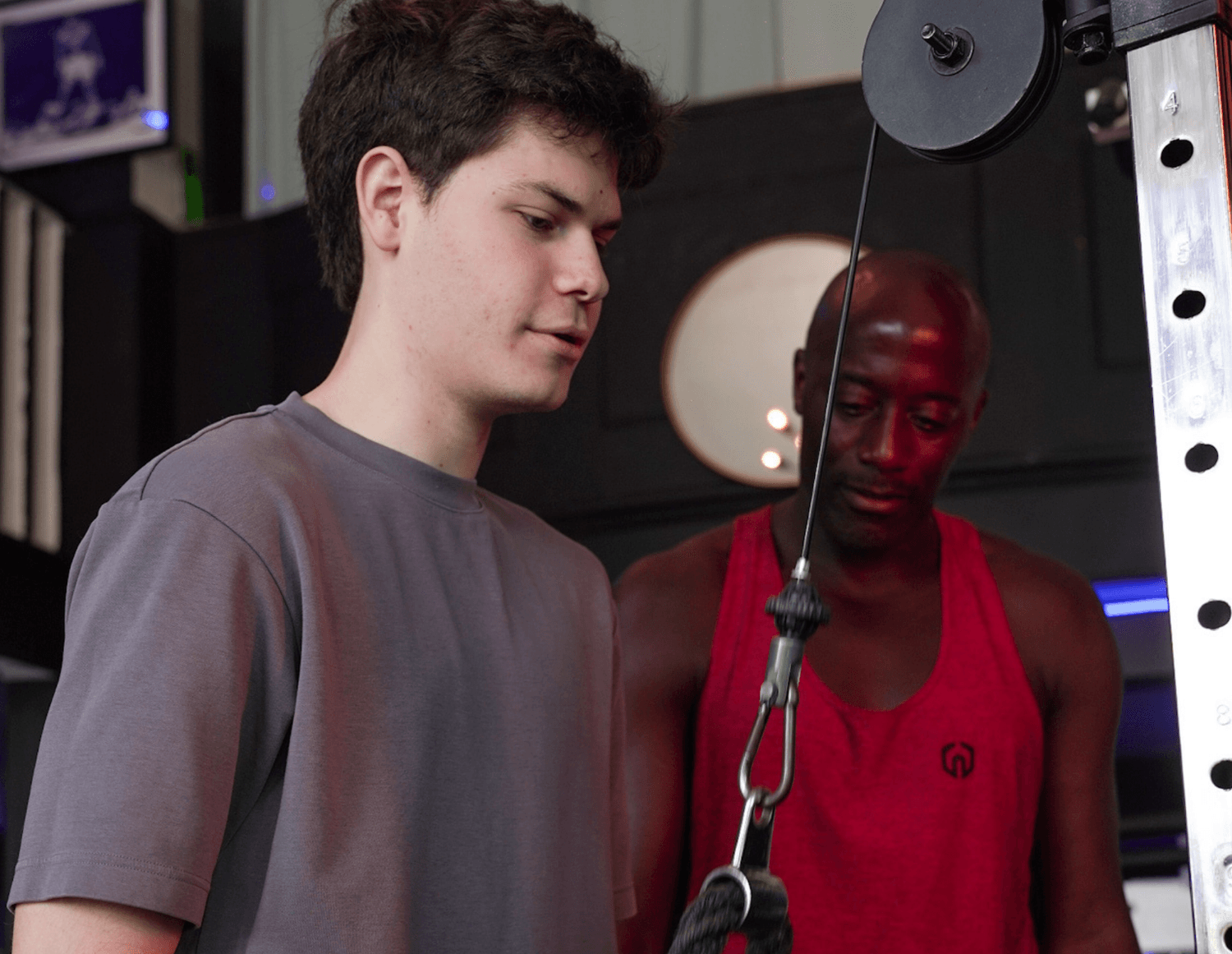
3. What is VO₂ max, and why does it matter?
VO₂ max is the maximum amount of oxygen your body can use during intense exercise. It's the best indicator of your cardiovascular fitness and aerobic endurance.
For my patients, VO₂ max testing provides critical data for:
Setting precise exercise intensity zones
Tracking cardiovascular health and progress
Identifying potential cardiovascular risks
A higher VO₂ max means your body is more efficient at using oxygen, which is associated with better fitness and lower cardiovascular risk.
Regular aerobic exercise can improve VO₂ max over time—but how much improvement you see depends on your baseline and how well your prescription is tailored.
4. How does exercise affect my metabolism?
Exercise triggers powerful hormonal and metabolic effects that go far beyond calorie burning.
When you exercise, your muscles become more efficient at using fuel—whether carbohydrates or fats. Regular physical activity improves insulin sensitivity, meaning your cells respond better to insulin for nutrient uptake and utilization.
Exercise also influences key metabolic hormones:
Growth hormone – rises to support fat breakdown and muscle repair
Catecholamines – stimulate fat burning and increase metabolic rate
Thyroid hormones – may become more active, raising your basal metabolic rate.
The benefits continue after you stop. Excess post-exercise oxygen consumption (EPOC) keeps your metabolism elevated as your body recovers.
Over time, your muscles develop more mitochondria—the powerhouses of your cells—allowing them to use fat more efficiently for energy.
These adaptations are highly individualized. Your age, fitness level, and hormonal status all influence how your metabolism responds. That's why a personalized approach—not a generic template—is essential.
5. How do I know what type of exercise is best for me?
It depends on your goals, health status, and preferences. Research consistently shows that the best exercise is the one you'll actually do . I typically recommend a combination:
Aerobic exercise (walking, cycling, swimming) – improves cardiovascular fitness, aids weight loss, and enhances insulin sensitivity.
Resistance training (bodyweight exercises, bands, weights) – builds muscle, preserves lean mass during weight loss, and improves glucose tolerance.
Balance training – critical for anyone over 40 with diabetes to reduce fall risk.
Stretching – important for flexibility and maintaining joint health.
The key is individualization. Some patients thrive with high-intensity interval training (HIIT), while others respond better to moderate-intensity continuous training.

6. What are the FITT-VP principles?
The FITT-VP framework is the foundation of any good exercise prescription:
Frequency – How many days per week.
Intensity – How hard you should work (e.g., heart rate zones, RPE).
Time – Duration of each session.
Type – Specific exercises chosen for your body and goals.
Volume – Total amount of exercise (sets × reps × intensity).
Progression – How to safely increase intensity, frequency, or duration over time.
This isn't a rigid checklist—it's a flexible framework that I adapt based on your progress, preferences, and changing health status.
7. Why can't I just use a generic workout plan?
Generic plans produce generic results. They can't account for:
Your metabolic rate and hormonal status
Your medications and how they interact with exercise
Your injury history or specific limitations
Your individual response to training
A 2026 study published in Scientific Reports found that personalized exercise regimens generated significantly superior gains in athletic performance compared to standardized programs—a 21.4% improvement versus just 12.0%. Another 2026 study demonstrated that dynamically adjusted exercise prescriptions led to dramatically better weight loss outcomes than fixed prescriptions.
Without personalization, you risk overtraining, injury, or simply not seeing results.
8. How often should my exercise prescription be updated?
Your exercise prescription should be reassessed and adjusted every 4–6 weeks . As your fitness improves, your body adapts—and your prescription needs to adapt with it.
Regular testing—like RMR, VO₂ max, or strength assessments—provides the data needed to make these adjustments with precision. Without this, you risk plateauing or not progressing as quickly as you could.
9. How does exercise help with chronic conditions like diabetes?
Exercise is one of the most powerful tools we have for managing diabetes. It helps manage blood glucose in several ways:
Muscle contraction allows glucose uptake independent of insulin
Regular aerobic training improves HbA1c by 0.5% to 0.7% in people with type 2 diabetes
Resistance training improves insulin sensitivity and glucose tolerance
For patients with type 1 diabetes, careful monitoring is essential, as exercise can increase the risk of hypoglycemia, particularly with prolonged aerobic activity . The timing of exercise, insulin adjustments, and carbohydrate intake all need to be coordinated.
10. How do I know if my exercise plan is actually working?
This is where objective testing comes in. Beyond how you feel, I track:
Resting Metabolic Rate – Are you burning fuel efficiently?
VO₂ max – Is your cardiovascular fitness improving?
Body composition – Are you losing fat and preserving muscle?
Biomarkers – Fasting glucose, insulin, HbA1c, and lipid profiles
A well-designed exercise prescription should show measurable progress over time. Regular reassessment ensures you're on the right track—and helps identify when adjustments are needed.
A Complete Approach to Your Health
These are the questions I hear most often in my practice. And they all point to the same truth: your body is unique, and your approach to exercise and metabolic health should be too.
At My ExRx, we don't hand out generic templates. We start with real data—RMR, VO₂ max, strength, and flexibility testing—to understand how your body actually works. Then we build a complete master plan around what we find: a personalized exercise prescription, nutrition guidance, and lifestyle recommendations tailored to your goals, capabilities, and needs. All reviewed by our endocrinologist and physiologist to ensure every piece of the plan works with your biology.
Because at the end of the day, the best plan isn't the one that works for everyone. It's the one that works for you.
Did you like this article? Spread the word!


Learn all about
My ExRx Exercise Prescription!
Every test, every biomarker, and every benefit so you know exactly what to expect.
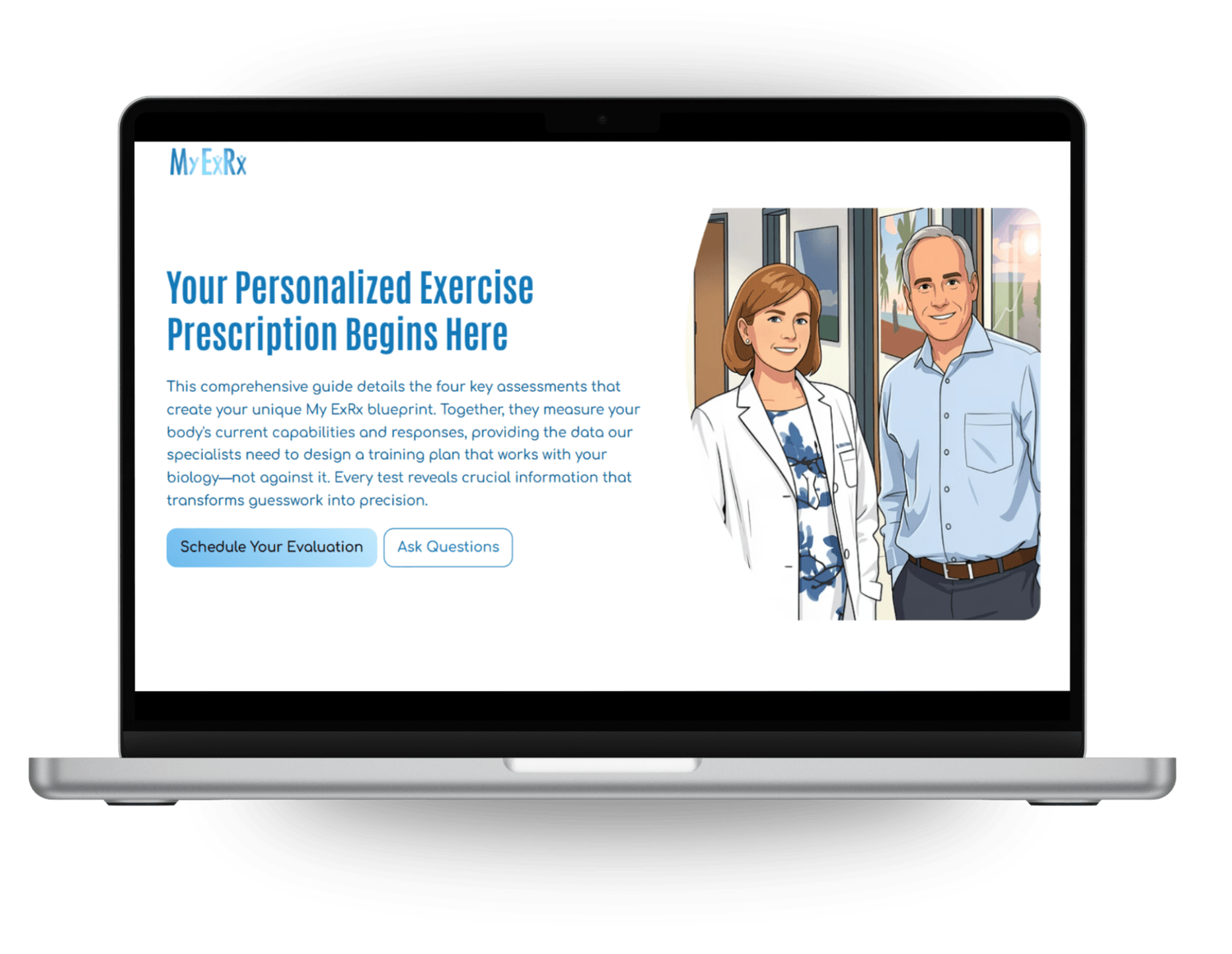
Download Your Free Exercise Prescription Planning Kit
Featuring an estimated intensity guide, a science-backed Habit Loop Tool, a weekly progress tracker, and more.
Your smart starting point before a personalized ExRx evaluation.
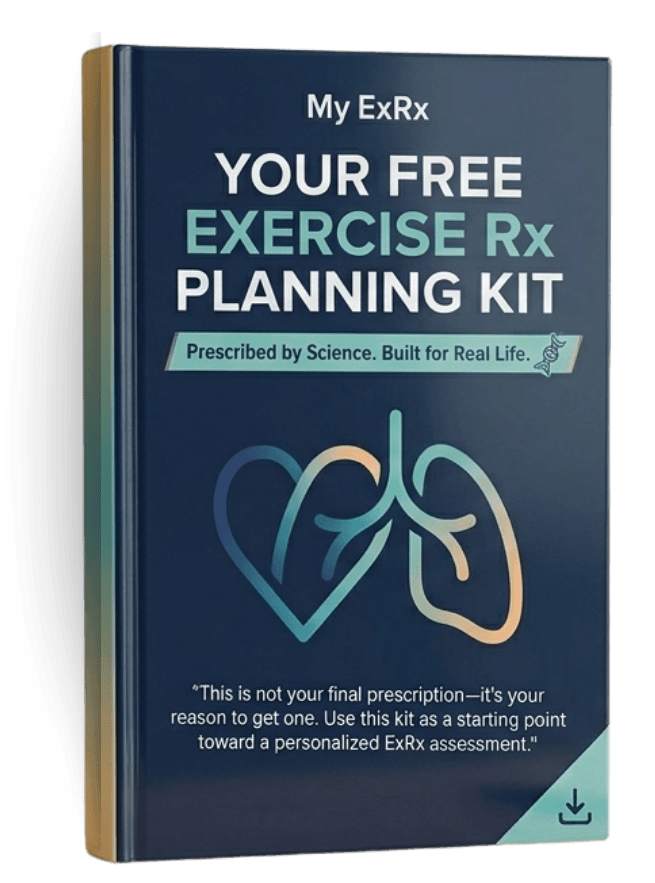
Download Your Free Exercise Prescription Planning Kit
Featuring an estimated intensity guide, a science-backed Habit Loop Tool, a weekly progress tracker, and more.
Your smart starting point before a personalized ExRx evaluation.
Exercise Prescription in Miami Beach, FL. Smart Exercise explores VO₂ max, nutrition, longevity, and more.

