
The Ultimate Exercise Prescription Template: What to Look For
A proper exercise prescription goes far beyond a generic workout template. Here's what science says it should include... And why most plans miss the mark.
You've heard the term "exercise prescription" thrown around. But what does it actually mean? And more importantly, what should a quality one include?
Let's break it down.
What Is an Exercise Prescription?
Think of it like a medical prescription. Your doctor doesn't say "take some medicine." They give you the exact drug, dose, and frequency based on your personal health data.
An exercise prescription works the same way. It's a clinical, data-driven plan that tells you precisely:
What to do
How hard to push
How long to go
How often
When and how to safely progress
No generic plans copied from a friend's workout. Just precision.
What a Quality Exercise Prescription Must Include
Based on established clinical guidelines for exercise testing and prescription, here are the five essential components every legitimate plan should have:
1. Frequency
Exactly how many days per week for each training type. Example: cardio 4x weekly, strength 3x weekly.
2. Intensity
How hard should you work? This should be quantified using heart rate zones, rate of perceived exertion (RPE), or actual load on the bar—not vague instructions like "go hard."
3. Time
Specific session duration. Not "about 30 minutes," but a clear target based on your current fitness and goals.
4. Type
Exercises chosen specifically for your body, goals, and limitations—not random movements pulled from the internet.
5. Volume & Progression
Clear parameters for sets, reps, and rest periods. Plus a structured plan for safely increasing load or complexity over time to avoid plateaus and reduce injury risk.
Why Most Plans Miss the Mark
Most workout templates you find online overlook the most critical piece: you.
Generic plans cannot account for:
Your metabolic rate and recovery capacity
Your hormonal status (cortisol, thyroid, insulin)
Your injury history or current fitness ceiling
Your true cardiovascular fitness (VO₂ max)
Without data: like resting metabolic rate, body composition analysis, and functional movement screening—you're essentially guessing. And guessing leads to plateaus, frustration, or worse, injury.
According to clinical guidelines for exercise testing and prescription, an effective program must be individualized based on objective assessment. A template simply cannot deliver that.
What Makes a Prescription Truly Effective?
The key difference is assessment.
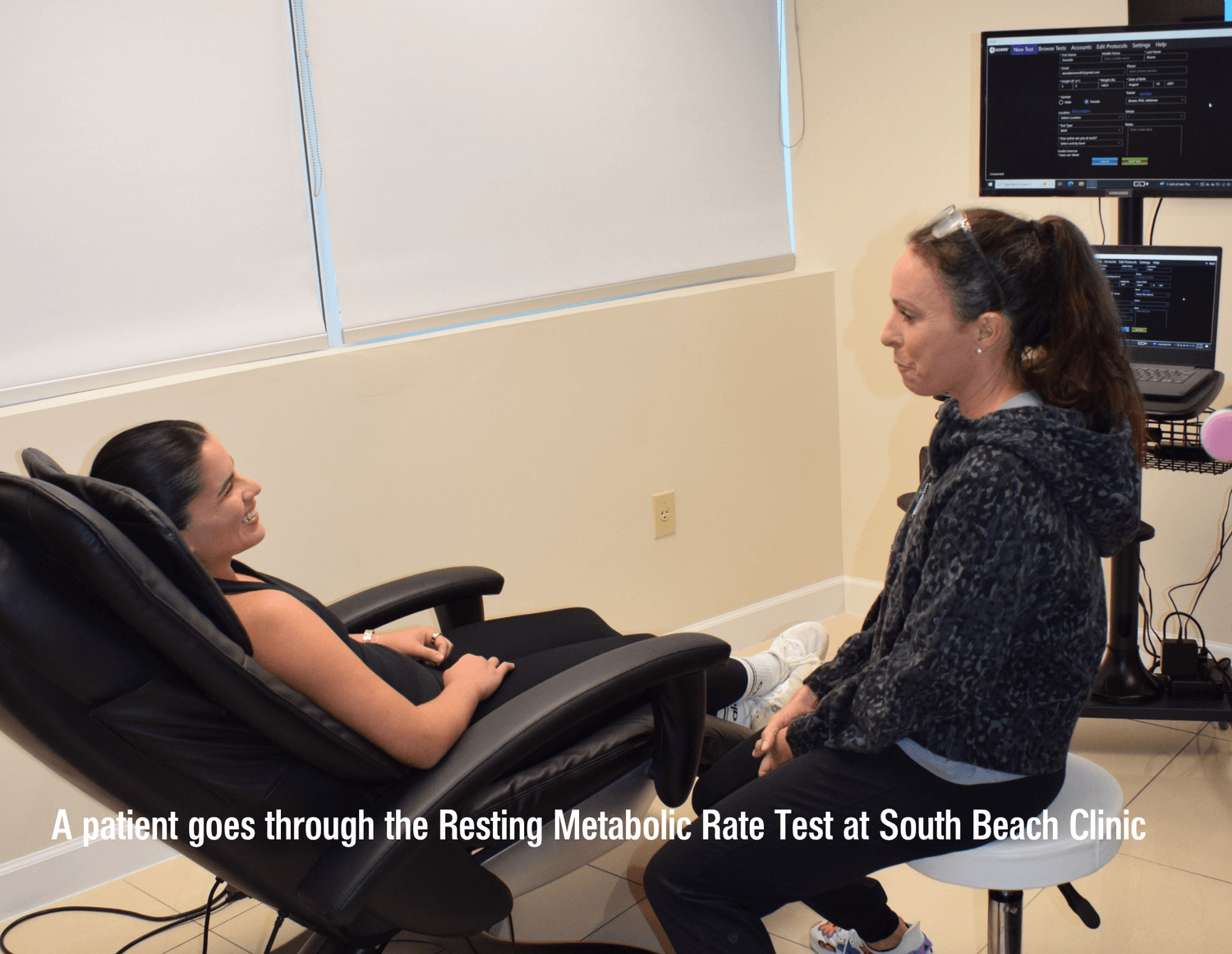
A real exercise prescription begins with testing.
Actual physiological measurements that reveal how your body responds to exercise.
This includes:
Cardiovascular fitness assessment (VO₂ max)
Body composition analysis
Movement pattern screening
Recovery capacity evaluation
Only with this data can a qualified professional design a personalized exercise prescription that aligns with clinical guidelines for exercise testing and prescription.
The Takeaway
Generic workout plans are a starting point—but they're not a solution.
A proper exercise prescription is individualized, data-driven, and structured for safety and long-term progress. It eliminates guesswork, reduces injury risk, and produces predictable results.
My ExRx operates out of Miami Beach, where we build exercise prescriptions through a rigorous process of science-backed assessment and adherence to clinical guidelines for exercise testing and prescription. The result: plans shaped by your physiology, not generic formulas
Did you like this article? Spread the word!


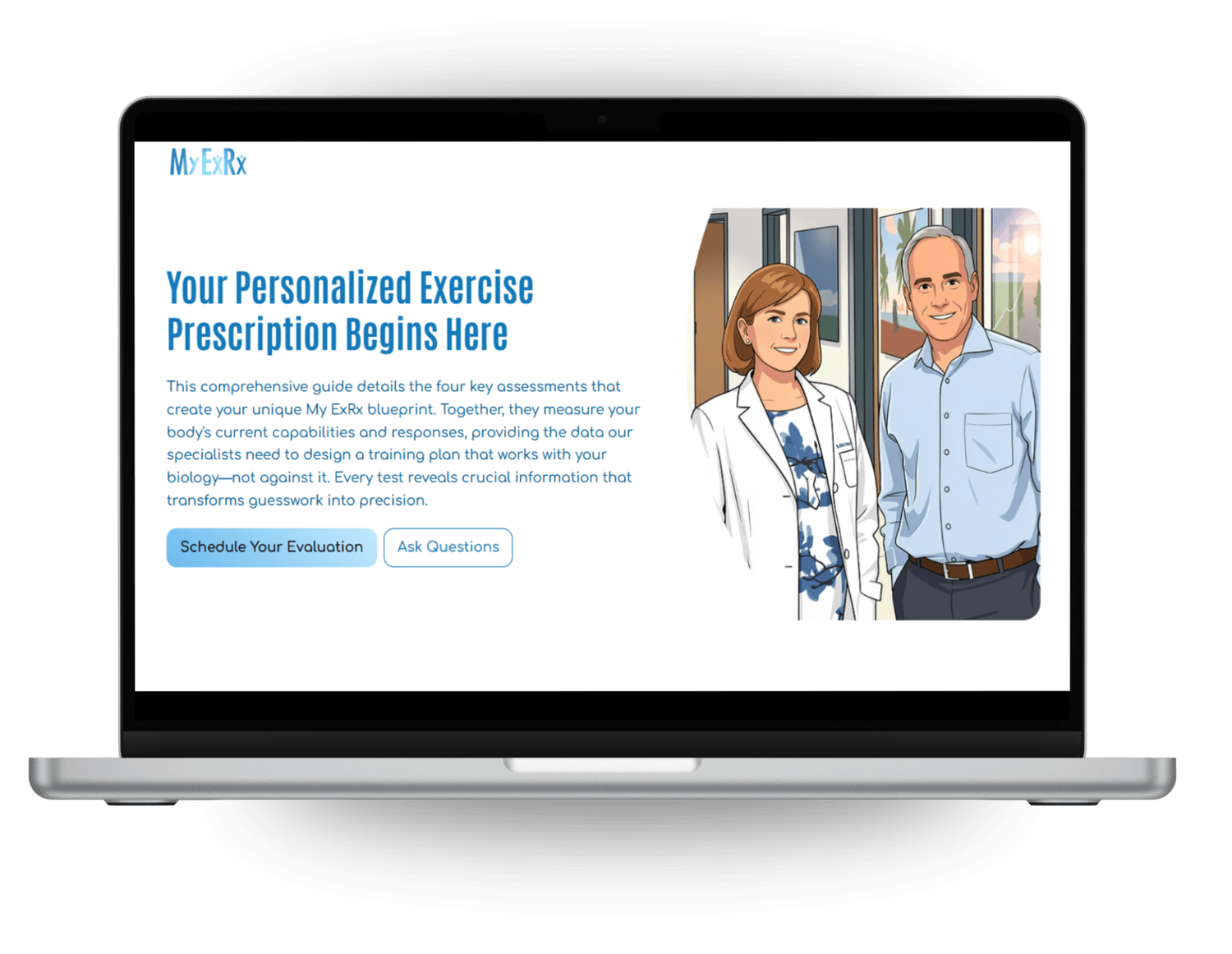
Learn all about
My ExRx Exercise Prescription!
Every test, every biomarker, and every benefit so you know exactly what to expect.
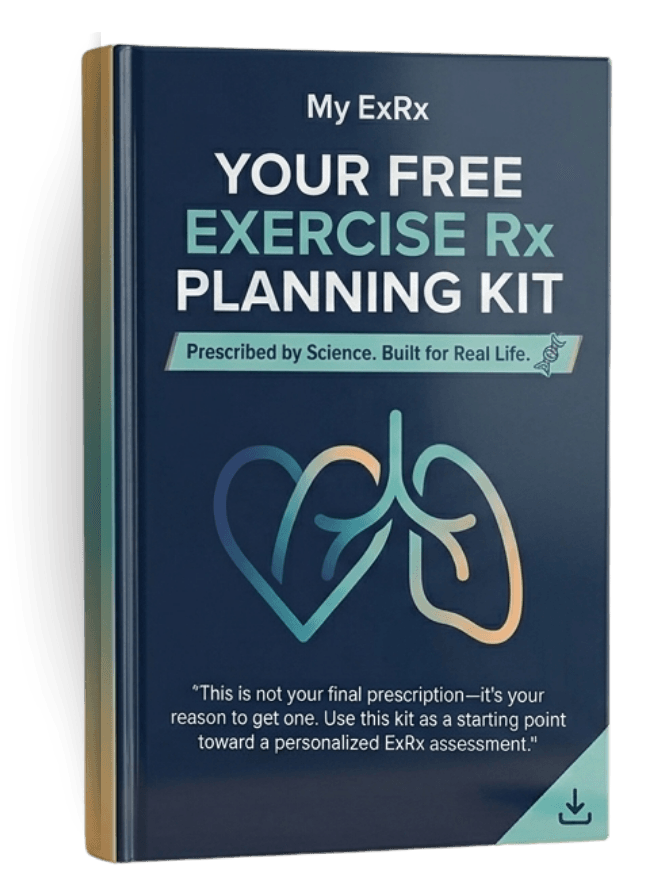
Download Your Free Exercise Prescription Planning Kit
Featuring an estimated intensity guide, a science-backed Habit Loop Tool, a weekly progress tracker, and more.
Your smart starting point before a personalized ExRx evaluation.
Download Your Free Exercise Prescription Planning Kit
Featuring an estimated intensity guide, a science-backed Habit Loop Tool, a weekly progress tracker, and more.
Your smart starting point before a personalized ExRx evaluation.
Exercise Prescription in Miami Beach, FL. Smart Exercise explores VO₂ max, nutrition, longevity, and more.

